Gathly Media
The collections currently featured on the server. Pick one to open it in Plex.
 James Horror List32 films
James is 10 years old, but James like scary horror movies. He is not allowed to watch anyone he wants, but he has talked his way into a few. This is the monument to the horror movies my nephew James has watched and survived.
 Happy Halloween - A Movie For Every Day of October28 films
It's Spooky Month, and this is just the beginning of the Spooky Month Collections. This month we celebrate October, Halloween and all things scary. This collection has a movie to watch every day in October. Also, this list contains the least extreme titles of horror for those who just aren't into the other stuff.
 The History of the Slasher82 films
Too many lists called "slasher" contain a wild selection of horror films, most of which are not slashers. I seek to correct that by creating a list of the actual horror sub-genre called "Slasher", which is different from "Gore" or "Splatter" or "Demonic possession" or "Haunting" or any of the other sub-genres of horror. It's also different from the parallel sub-genre of Giallo over in Italy, which had killers, but a unique and consistent set of genre rules of its own.
 Witches164 films
From the classic, crooked-nosed hags of ancient folklore to the deceptive, modern cults hiding in plain sight, this collection explores the vast and versatile world of witchcraft. Whether they are tragic outcasts persecuted by religious paranoia, benevolent practitioners of natural magic, or the terrifying architects of demonic pacts, these films celebrate cinema's most enduring archetype. Step into a realm of forbidden knowledge, dark covens, and untamed power—where the line between the sacred and the profane is permanently blurred.
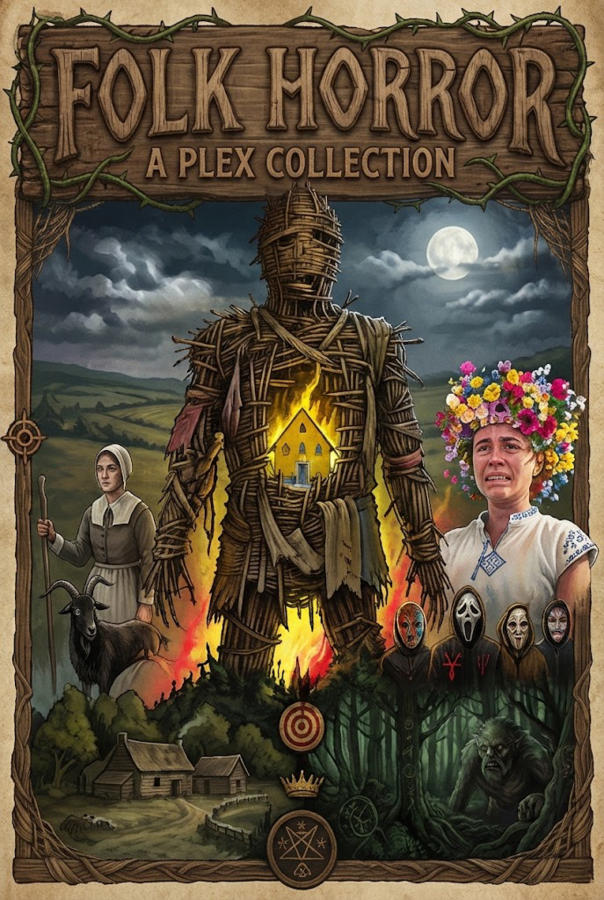 Folk Horror84 films
Folk horror is defined as a distinct subgenre by its reliance on landscape, isolation, and entrenched belief systems to generate dread, shifting the source of terror away from the traditional supernatural monsters or psychological slashers found elsewhere in horror. While gothic horror relies on grand architecture, decaying nobility, and Christian guilt, and cosmic horror focuses on vast, uncaring alien entities, folk horror finds its threat in the dark corners of human history, pagan ritual, and community obsession. It is uniquely defined by a clash between the modern world and ancient, unyielding customs, where an outsider is slowly consumed by a close-knit rural community that operates under its own terrifying moral code.
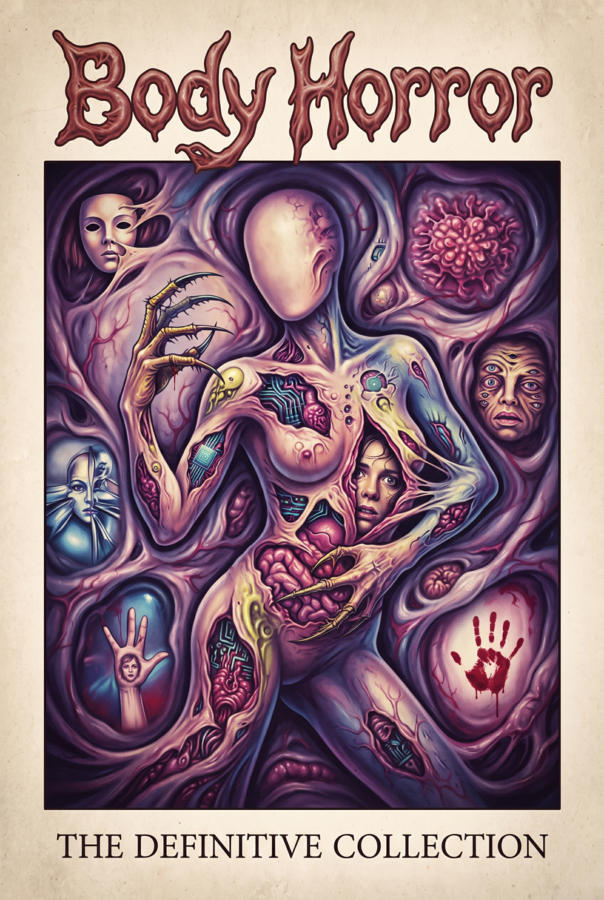 Body Horror132 films
Body horror is perhaps the most visceral of the horror sub-genres, focusing on the physical distortion and corruption of the body. As well as being a superb example of science fiction horror, “The Thing” also works as an outstanding example of body horror. It features an alien entity that assimilates and imitates the human hosts it consumes. As an example of body horror, it is deeply unsettling because it taps into a primal fear of contamination and disease, as well as a loss of identity. The transformation of the body into something unrecognizable and hostile creates a profound sense of disgust and fear, making the viewer’s skin crawl with every twisted metamorphosis.
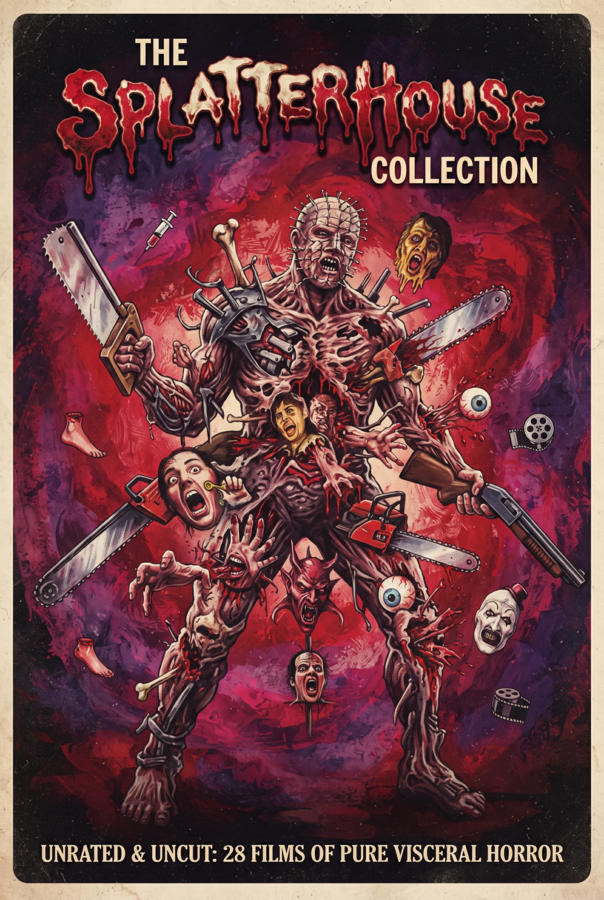 Splatter34 films
Splatter horror is defined as a distinct subgenre by its explicit focus on the vulnerability, destruction, and visceral mutilation of the human body, elevating physical gore from a mere shock tactic into the central spectacle of the narrative. While psychological horror preys on unseen dread and madness, and survival horror focuses on the desperate escape from danger, splatter horror forces the audience into direct, unblinking confrontation with hyper-realistic violence, severed limbs, and bodily fluids. It is uniquely defined by its clinical—and often darkly comedic—fascination with anatomy, where the primary threat is not an atmospheric curse or a hidden monster, but the sheer, messy fragility of flesh and bone under assault.
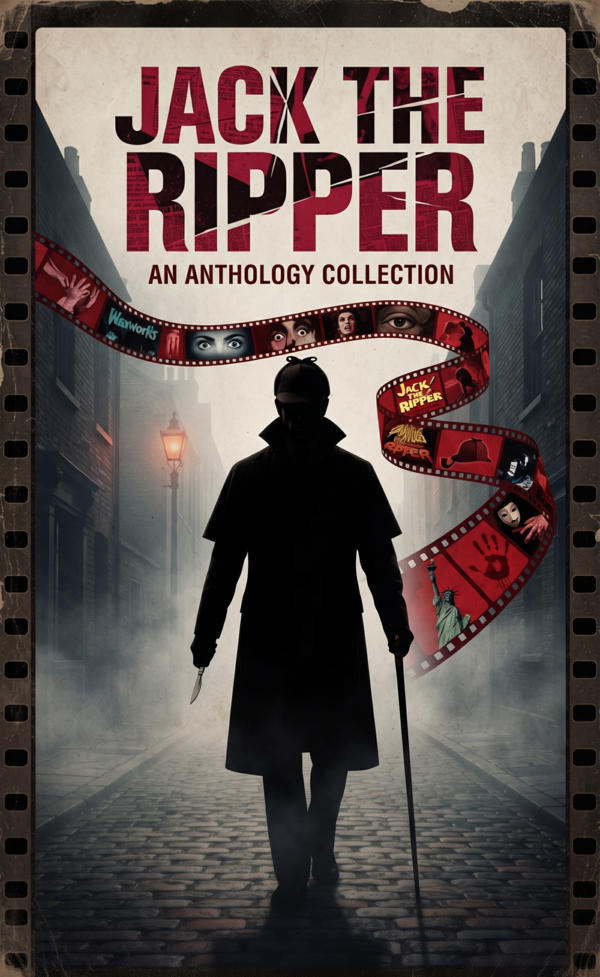 Jack the Ripper16 films
A collection of various treatments of the Jack The Ripper legend from various points in cinema history.
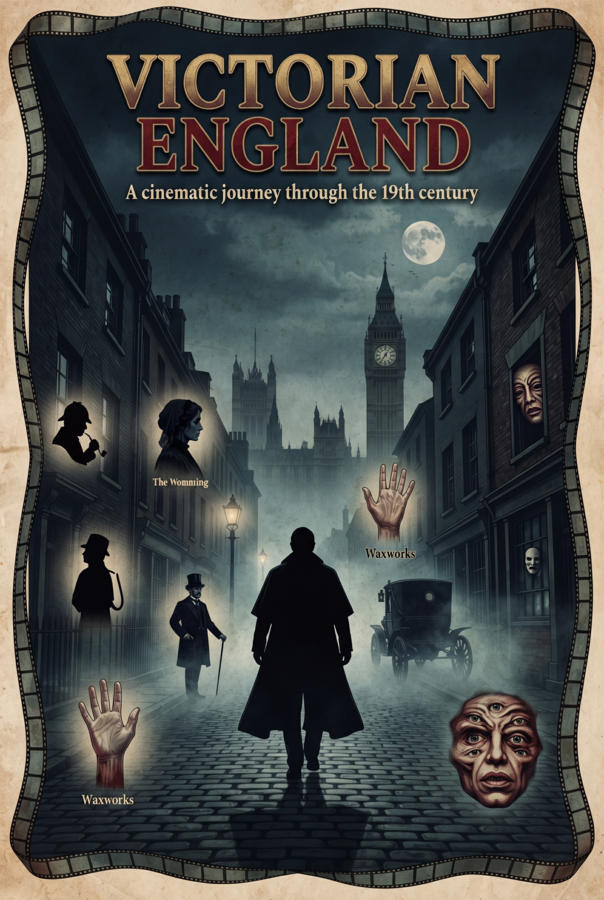 Victorian England74 films
The Victorian Era is from 1837 to 1901. This collection takes a small sample set of films from any era that take place in the Victorian Era. The cinematic victorian era will usually have elements of a monochromatic palette, set against thick fog and dark streets. The aesthetic is of the world's premiere empire, the hegemon of this day, happened to correspond with the industrial revolution. So, a lot of the aesthetic is of unregulated industrial effects everywhere that grew quicker than they could be addressed. Too many people with not enough infrastructure. No labor protections for anyone, including childen. Poor Laws. Work Houses. The famous London fog was actually industrial pollution. There were entire neighborhoods of the poor that were basically unpoliced.
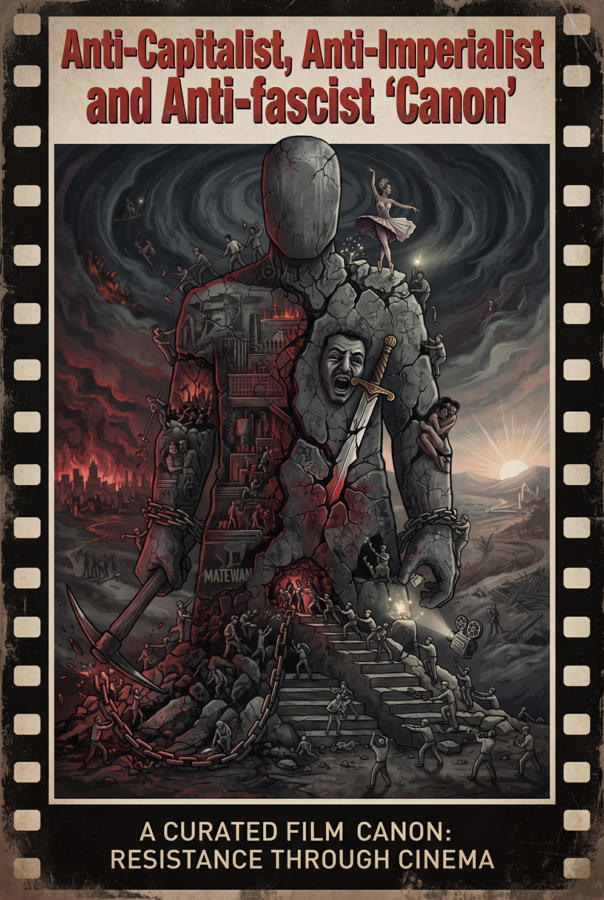 Anti-Capitalist, Anti-Imperialist and Anti-fascist ‘Canon’100 films
list created on letterboxd by Stephenage with below description https://letterboxd.com/stephenage/ Anti-Capitalist, Anti-Imperialist and Anti-fascist ‘Canon’ For Zebra I get asked a lot about good left wing or anti-capitalist (or anti colonialism, anti imperialism, anti fascism). I kept giving off the cuff suggestions and feeling I was missing so many out. When Zebra asked me, I wanted to do it right. So, I made this. Note: it only goes on the list if I’ve seen it and think it’s a good vessel for its politics. This is not a comprehensive list of leftist cinema, this is a curated selection of suggestions for people who want to watch great, and potent, leftist films. Here is a list of the films that people have claimed ‘do not belong’ here. It’s… interesting. https://letterboxd.com/stephenage/list/films-on-the-anti-capitalist-anti-imperialist/
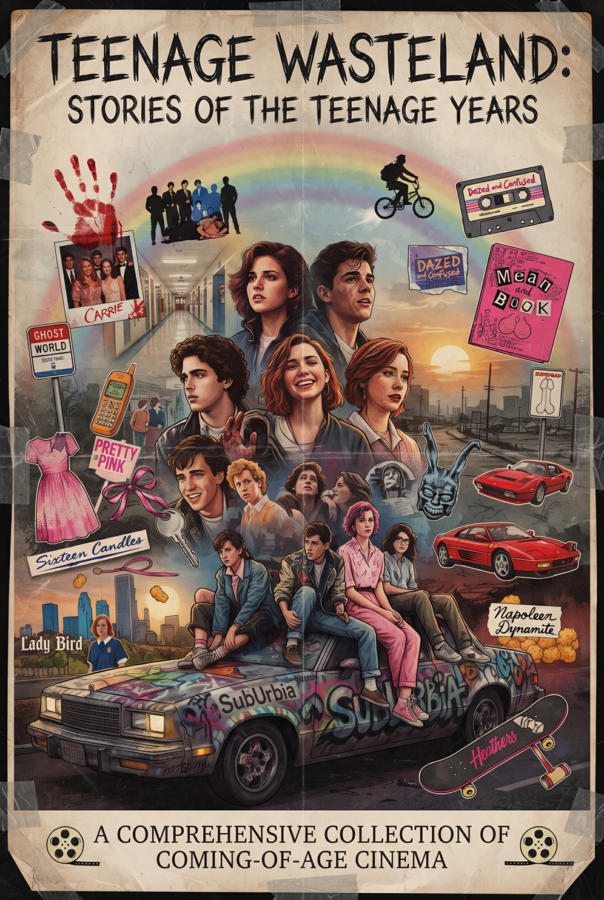 Teenage Wasteland: A Comprehensive List of Coming-of-Age films300 films
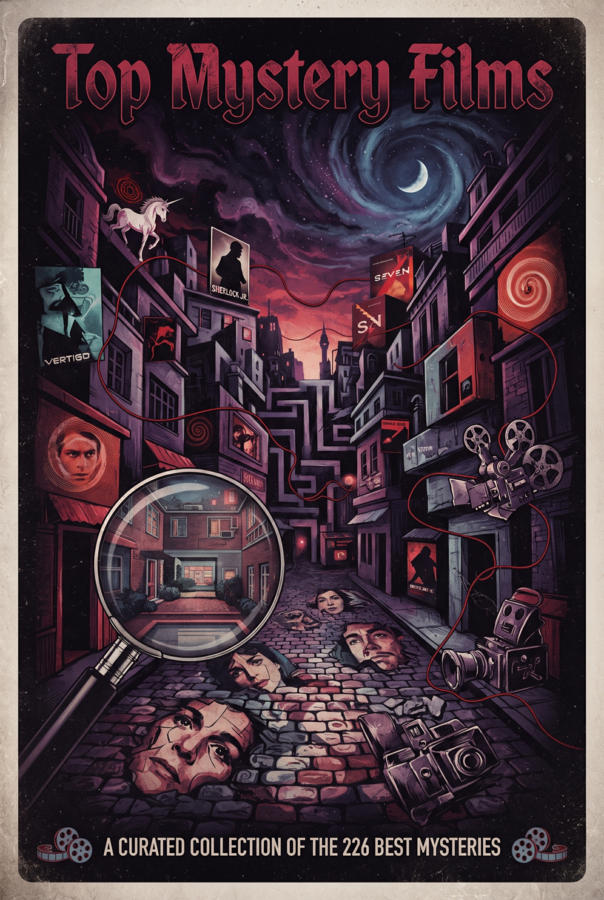 Top Mystery Films226 films
Curated from a letterboxd list of the 250 best mysteries.
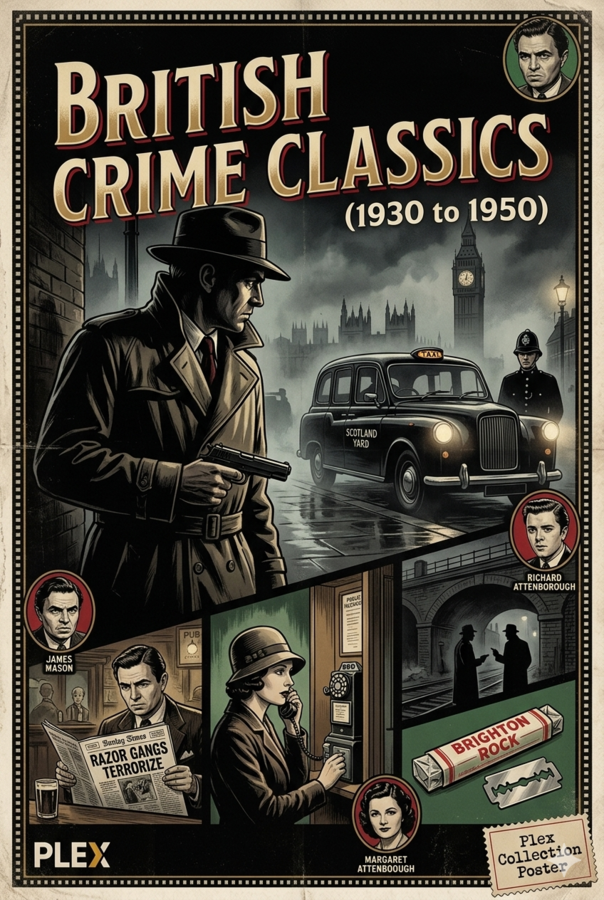 British Crime Classic Film98 films
The British crime film up to the second world war and immediately afterwards. This collection focuses on this specific period. The law the mandated a percentage of films shown in the UK must be made in Britain unlocked a bunch of quick and dirty crime films of low budget. By the later 30s, they had begun to trend toward film noir. By the post-war years, the British Crime Film began to have much more depth and social commentary. It isn't until the 1970s that a new wave of parlour room films arrive, often based on books written in the 1930s that were mostly absent as films in the 1930s. They did find life on radio at the time.